PP 1 - Crisis Public Relations
Burger King & Their Deception
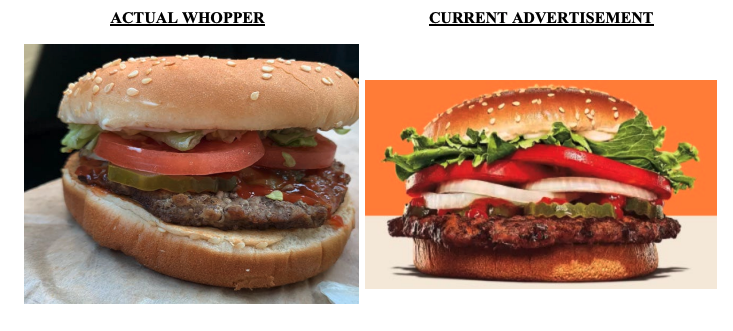
Burger King, a globally recognized fast-food chain, has been popular for its iconic Whopper burger for many years. However, in recent times, the company was involved in a controversy that tarnished its reputation and resulted in a series of lawsuits and allegations. The controversy was centered around allegations that Burger King was not serving the Whoppers as advertised in their marketing campaigns, causing outrage among consumers and legal action against the company.
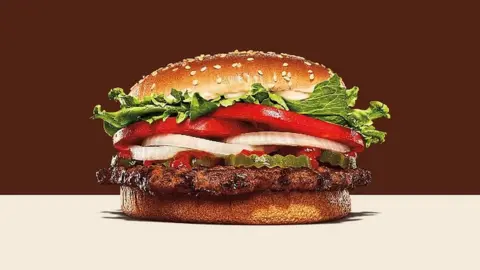
The Whopper, introduced by Burger King in 1957, quickly became one of the most recognizable and loved items on the fast-food menu. It boasted a flame-grilled patty, fresh vegetables, creamy mayonnaise, ketchup, and a sesame seed bun. The Whopper's appeal lies in its promise of quality, freshness, and taste. For decades, Burger King successfully marketed the Whopper as a larger-than-life burger, often showcasing it in television commercials and print advertisements that left viewers' mouths watering.
The trouble for Burger King began when customers began noticing a stark contrast between the Whoppers they received and the ones featured in the company's advertising campaigns. Many customers felt that the Whoppers they got were significantly smaller, less appealing, and not as meticulously prepared as the ones shown in the commercials. Social media platforms were abuzz with photos and complaints from disappointed customers, fueling the controversy.
It wasn't just the size and presentation of the Whoppers that came into question. Customers alleged that the taste and quality of the burgers also fell short of what was promised in the advertisements. Burger King had built its reputation on delivering a flame-grilled, juicy, and flavorful burger, but some customers claimed that their Whoppers lacked these essential qualities.
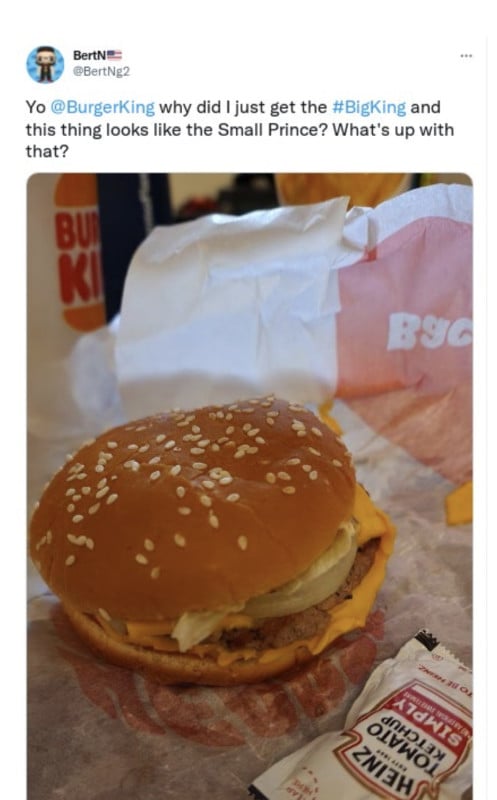
As images and complaints about subpar Whoppers circulated on social media, the controversy gained momentum. Angry customers took to platforms like Twitter, Facebook, and Instagram to voice their dissatisfaction and share their experiences. The hashtag #WhopperControversy trended on social media, drawing attention to the issue and inviting even more people to share their stories. Some consumers even conducted their experiments, ordering Whoppers and documenting the stark differences between what they received and what was depicted in Burger King's advertisements. These user-generated comparisons further fueled the controversy and added weight to the allegations of deceptive advertising practices.
Amidst the growing consumer backlash, a wave of lawsuits and legal action against Burger King emerged. Plaintiffs in these cases alleged false advertising, deceptive trade practices, and breach of consumer trust. Several class-action lawsuits were filed on behalf of consumers who felt they had been misled by Burger King's marketing campaigns.
The plaintiffs argued that Burger King's advertising created an expectation of a certain quality and quantity of Whopper, which was not met when customers made their purchases. They contended that this misrepresentation in advertising constituted a violation of consumer protection laws and regulations. In response to the allegations and lawsuits, Burger King initially maintained that they were committed to delivering high-quality Whoppers consistent with their advertising. The company claimed that variations in the preparation and presentation of Whoppers were due to the nature of fast-food service and the fact that each burger was handmade to order.
Burger King also pointed to disclaimers in their advertisements, which stated that the depicted Whoppers were for illustrative purposes and that actual products may vary. They argued that these disclaimers protected them from legal liability for any perceived discrepancies between advertising and reality.
However, these explanations did little to appease the disgruntled customers and the growing number of plaintiffs in the legal cases against the company.
The class-action lawsuits filed against Burger King were consolidated into a single case, which garnered significant media attention. The plaintiffs in the case were individuals who had purchased Whoppers at various Burger King locations across the United States and felt that they had been victims of deceptive advertising.
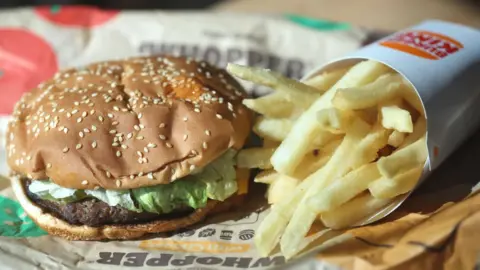
The core argument presented by the plaintiffs was that Burger King's advertising created a "reasonable expectation" among consumers regarding the quality and appearance of the Whopper. They asserted that this expectation was not met, and therefore, the company was liable for false advertising and deceptive trade practices.
Burger King hired a team of seasoned attorneys to defend their position in the class-action lawsuit. Their legal defense focused on several key arguments, including disclaimers, the nature of fast-food service, and the fact that each Whopper was handmade to order.
In conclusion, Burger King's Whopper controversy serves as a reminder of the importance of delivering on advertising promises and building consumer trust. Although Burger King argued that the discrepancies in Whopper size and presentation were due to the nature of fast-food service, the plaintiffs in the class-action lawsuits contended that the company's advertising created a "reasonable expectation" among consumers that was not met. The controversy and ensuing lawsuits highlight the need for transparency and honesty in marketing and advertising practices, as well as the importance of listening to consumer feedback and addressing concerns promptly. Ultimately, the Whopper controversy had a significant impact on Burger King's reputation and the fast-food industry as a whole, emphasizing the need for companies to prioritize consumer trust and satisfaction.

This was written with the help of AI.


Comments
Post a Comment